
Skin has a way of keeping receipts. Years of sunshine can leave behind brown spots. Old breakouts may change texture, while natural aging can make pores, fine lines, and uneven tone more noticeable. A good skincare routine still matters, but topical products can only reach so far.
That is where laser skin treatments can become part of a more targeted approach to skin rejuvenation. At The Sandbar Beauty Company, available laser services include Erbium-YAG resurfacing, IPL rejuvenation, and laser hair reduction. Each works differently, which means treatment can be matched to what your skin actually needs.
Keep reading for a closer look at these technologies, their benefits, and where each one fits into a thoughtful skin plan.
A Closer Look at Laser Skin Treatments
Not every laser or light-based procedure does the same job. Understanding the differences makes it much easier to see why one technology may be better suited to pigmentation, texture, resurfacing, or unwanted hair.
Erbium Laser: Resurfacing With Purpose
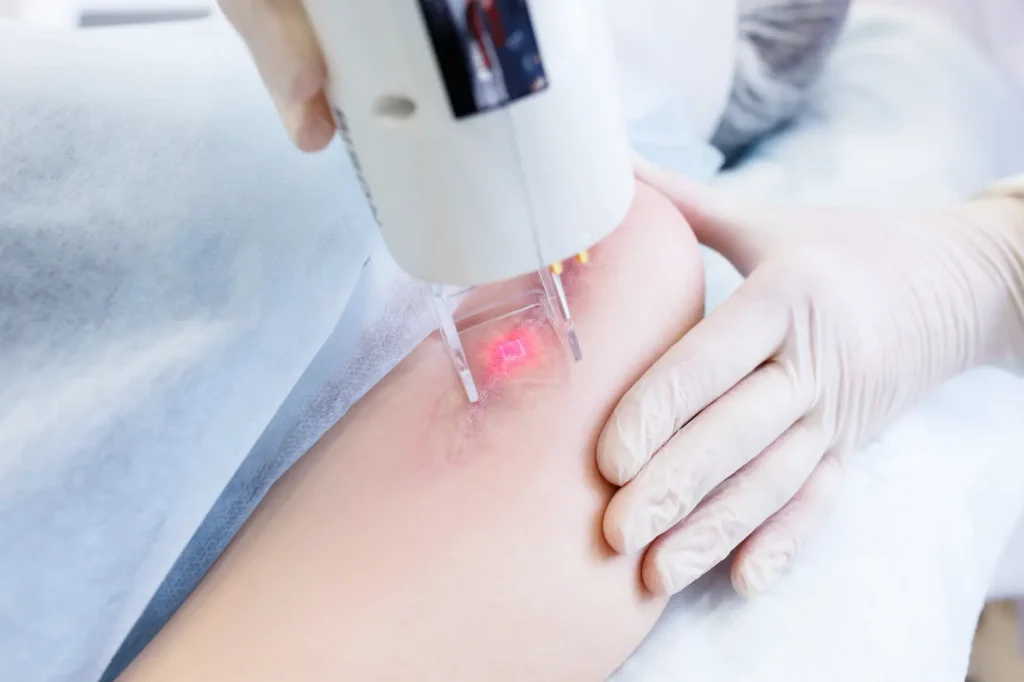
An Erbium laser is a resurfacing technology used to improve visible concerns involving the skin’s surface and texture. It works by delivering controlled laser energy to targeted tissue, encouraging the skin to renew itself as the treated area heals.
That makes Erbium-YAG useful when the concern goes beyond simply wanting brighter skin. Depending on the treatment approach, it may be considered for fine lines, uneven texture, visible signs of aging, and certain forms of sun-related damage.
The appeal of laser skin resurfacing is its ability to work on concerns that skincare products cannot physically remove. A moisturizer can support hydration, for example, but it cannot resurface damaged skin in the same way controlled laser energy can.
Treatment intensity matters. More aggressive resurfacing generally involves a different recovery experience than lighter treatment. This is why consultation and customization are important before deciding how much resurfacing makes sense.
Fractional Treatment Creates Controlled Renewal
Some resurfacing approaches use fractional technology rather than treating every point of skin uniformly. A fractional laser creates controlled microscopic treatment zones while leaving surrounding areas untreated.
This approach allows the skin’s natural repair process to participate in the rejuvenation process. As healing occurs, collagen remodeling can contribute to gradual improvements in texture and overall skin quality.
Fractional resurfacing may be considered for patients who want to improve concerns such as:
- Uneven skin texture
- Fine lines
- Visible pores
- Certain acne scars
- Sun-related changes
- Dull or rough-looking skin
The exact response depends on the technology, settings, treatment depth, skin characteristics, and concern being addressed. One person’s ideal resurfacing plan may therefore look quite different from another’s.
Resurfacing Can Refresh Texture
Texture is one of those concerns that can be difficult to disguise. Makeup may actually make roughness or enlarged pores more noticeable, particularly when the skin is dry or uneven.
Resurfacing addresses the skin itself rather than covering the concern. By creating a controlled treatment response, the procedure can support smoother-looking skin as healing and remodeling progress. This makes an Erbium-based laser treatment for face concerns particularly interesting for patients whose goals involve texture rather than volume.
Injectables can address other signs of aging, but they do not resurface the outer skin. That distinction helps patients choose treatments for the right reasons. Facial rejuvenation often works best when texture, pigmentation, volume, and laxity are viewed as different concerns rather than treated as though one procedure should solve everything.
IPL Targets a Different Kind of Damage
IPL is commonly discussed alongside lasers, although technically it uses intense pulsed light rather than a single laser wavelength. Its strength lies in treating selected color-related concerns rather than physically resurfacing the skin in the same manner as an ablative laser.
An IPL photofacial sends controlled pulses of broad-spectrum light into the skin. Specific targets absorb that light, allowing treatment to focus on visible pigmentation or vascular concerns when appropriate.
For patients bothered by discoloration left behind by years of sun exposure, IPL can offer a different strategy from resurfacing. It can be particularly useful when uneven color is more bothersome than deeper textural change. This is why IPL and Erbium treatments should not automatically be viewed as competing options.
They address different aspects of skin rejuvenation and may have different roles depending on what the patient sees in the mirror.
IPL Can Address Sun-Related Pigmentation
Living in Florida makes sun protection a year-round responsibility. Even people who are careful now may still have visible evidence of years spent outdoors before daily SPF became a habit.
Freckles, brown spots, and uneven pigmentation can become more noticeable with cumulative ultraviolet exposure. A laser for sun damage or an appropriate light-based treatment may help address selected visible changes, but the right technology depends on the type and depth of pigmentation.
IPL is often considered when superficial pigment is part of the concern. Treated spots may temporarily appear darker before gradually fading as the skin responds.
Sun protection becomes especially important around treatment. Light and laser procedures do not make sunscreen optional afterward. Protecting treated skin also helps prevent new UV damage from competing with the improvements patients are trying to achieve.
IPL May Help Visible Redness Too
Pigment is not the only color concern that can affect an otherwise smooth complexion. Visible redness and small superficial vessels can also create an uneven appearance. Because IPL energy can be absorbed by certain vascular targets, treatment may be useful for selected redness-related concerns. This gives the technology a broader role in improving overall tone when a patient has appropriate indications.
Not every red spot has the same cause, however. Persistent redness can be associated with different skin conditions, which makes professional evaluation important before treatment. The goal should be more precise than simply wanting to “remove redness.” Identifying what is creating the color helps determine whether IPL is appropriate and what kind of improvement is realistic.
Laser Rejuvenation Doesn’t Mean Changing Your Face
There is an important difference between rejuvenating the skin and changing someone’s facial features. Many patients are not looking for a dramatic transformation. They simply want their skin to appear clearer, smoother, and more refreshed.
Laser skin rejuvenation fits naturally into that goal because treatment focuses on qualities of the skin itself. Depending on the technology selected, this may mean addressing uneven pigmentation, rough texture, fine lines, or visible sun damage.
The result is not about creating a different face. It is about helping healthier-looking skin become more visible. That subtle philosophy can be particularly appealing to patients who want people to notice that their complexion looks good without immediately identifying that they had an aesthetic treatment.
Laser Hair Reduction Has a Different Mission
Skin rejuvenation is only one side of laser technology. The Sandbar Beauty Company also offers laser hair reduction for patients who want to spend less time shaving, waxing, or dealing with recurring unwanted hair.
Laser hair reduction works by directing energy toward pigment associated with the hair follicle. That energy damages targeted follicles and can reduce future hair growth.
Hair grows in cycles, however, and not every follicle is actively growing at the same moment. This is one of the main reasons treatment is usually performed as a series rather than a one-time appointment.
Patients may notice progressively less hair and slower regrowth as treatments continue. Results vary with factors such as hair color, skin characteristics, treatment area, hormonal influences, and the technology used.

A Series Often Makes More Sense Than One Session
The desire for an immediate result is understandable, but many laser treatments work best when viewed as a process. Skin remodeling takes time, pigmentation may need more than one treatment, and hair follicles cycle through different growth stages.
Spacing treatments appropriately also gives the skin time to respond. More treatment is not automatically better, and performing sessions too close together does not necessarily accelerate the biological processes involved.
A treatment series can therefore be adjusted according to response. Some patients may reach their goals with a relatively modest plan, while others benefit from additional sessions or maintenance.
This approach also keeps the focus on progress rather than perfection after one appointment. Skin continues changing with age, hormones, environmental exposure, and lifestyle, so rejuvenation is often better viewed as ongoing care.
Also, gray, white, and very light blond hair generally responds poorly because treatment relies on melanin within the hair.
Your Skin Type Matters
Laser technology has become highly sophisticated, but selecting settings still requires attention to the individual. Skin tone, pigmentation history, recent sun exposure, medications, sensitivity, and the specific concern being treated can all influence planning.
This is particularly important when treating pigment. Energy-based procedures need to distinguish between the intended target and surrounding tissue as safely and effectively as possible.
A consultation can also identify situations where treatment should be postponed. Recent tanning, active irritation, certain medications, or other factors may change when a procedure should be performed.
Customization is therefore not just about comfort or preference. It is part of choosing an appropriate treatment strategy for the patient’s skin.
Downtime Depends on the Treatment
Laser treatment can sound like one category with one recovery period, but that is far from reality. An IPL session and a more intensive resurfacing procedure can create very different post-treatment experiences.
Lighter treatments may involve temporary redness, warmth, or mild sensitivity. Pigmented spots treated with IPL can become darker temporarily before fading. Resurfacing may involve more visible redness, dryness, flaking, or peeling depending on its depth and intensity.
Patients considering laser skin resurfacing should discuss downtime before scheduling treatment. Work commitments, social events, vacations, and sun exposure can all affect when treatment fits best.
Knowing what recovery may look like also prevents normal healing from becoming a surprise. A well-timed treatment is easier to manage than one squeezed into an already packed week.
Give Your Skin the Right Kind of Attention
Healthy-looking skin is not about erasing every pore, freckle, or line. It is about understanding what is changing and choosing treatments that make sense for the concerns you actually want to improve. Laser skin treatments offer several ways to approach that goal, from Erbium-YAG resurfacing and IPL rejuvenation to laser hair reduction.
At The Sandbar Beauty Company in Pompano Beach, FL, patients can explore laser options based on their skin, priorities, and desired level of treatment. A personalized approach can help determine which technology belongs in your plan and how professional laser care can support clearer, smoother, more refreshed-looking skin.
Call us today to schedule your appointment!