
Fine lines rarely appear overnight. They develop gradually through years of smiling, laughing, concentrating, and expressing emotion. These expressions are part of what makes us who we are, but over time, repeated muscle movement can leave behind lines that remain visible even when the face is at rest. For many people, this is the moment they begin exploring ways to maintain a refreshed appearance without surgery.
One of the reasons Botox remains one of the most popular aesthetic treatments worldwide is that it offers subtle, natural-looking improvement when performed thoughtfully. Rather than dramatically changing your appearance, Botox helps soften expression lines while allowing your natural features to shine. However, one question comes up time and time again: How often should you get Botox to keep your results looking their best?
The answer isn’t the same for everyone. Your treatment schedule depends on several factors, including your facial anatomy, muscle strength, aesthetic goals, and how your body responds over time.
If you’ve ever wondered how long Botox lasts, when to schedule your next appointment, or how to maintain beautiful results year-round, keep reading. Understanding the treatment timeline can help you make confident decisions about your long-term skincare journey.
What Is Botox and How Often Should You Get It?
Beautiful results begin with understanding how the treatment works. Botox is an FDA-approved injectable neuromodulator that temporarily relaxes targeted facial muscles responsible for creating dynamic wrinkles. By reducing repetitive muscle movement, Botox softens existing expression lines while helping prevent them from becoming deeper over time.
Rather than filling wrinkles, Botox works by temporarily reducing the muscle contractions that contribute to their formation. As the muscles relax, the overlying skin appears smoother and more refreshed.
One of the most common questions patients ask is, “How often should I get Botox?”
Although every treatment plan is personalized, most patients schedule maintenance appointments every three to four months. Some may metabolize Botox more quickly, while others enjoy results that last longer.
Instead of following a rigid calendar, your provider evaluates your facial movement, treatment goals, and previous response before recommending the ideal schedule. Understanding that Botox is a maintenance treatment, not a permanent one, helps set realistic expectations while supporting long-term, natural-looking results.
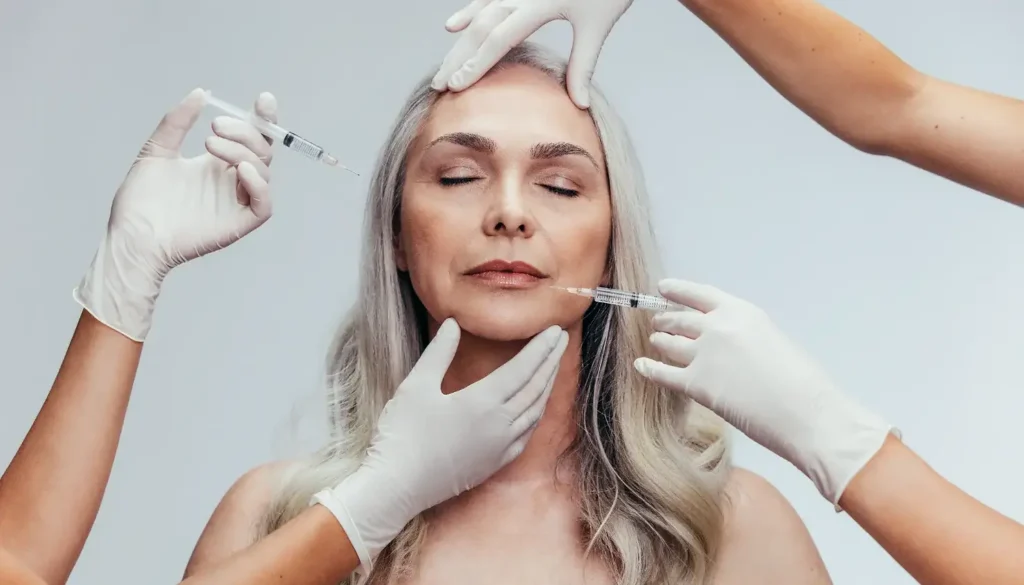
Why Provider Expertise Matters
Botox may be familiar to many patients, but thoughtful treatment still depends on the person evaluating and treating your face. Facial anatomy, muscle activity, previous aesthetic procedures, and your treatment history can all influence what should happen next.
The Sandbar Beauty Company’s clinical team includes Rachel Polazzi, CRNA and owner; Jessica Bourgeois, CRNA; and Samantha Shea, Nurse Practitioner. The practice also incorporates advanced ultrasound technology into its approach to medical aesthetics, allowing facial structures to be visualized in real time when appropriate.
That capability becomes especially valuable when a patient arrives with concerns from previous aesthetic treatments. Rather than simply adding more filler or recommending another procedure, the team can evaluate concerns such as suspected filler migration, persistent swelling, nodules, irregularities, and other unexpected changes. Ultrasound may provide additional information about what is occurring beneath the skin and help guide the next step.
Good aesthetic care isn’t measured by how many treatments a patient receives. It’s about understanding the concern first and recommending treatment only when it makes sense.
How to Maintain Beautiful Botox Results
Botox isn’t simply about the day of your appointment. The choices you make between treatments play an important role in how your results develop and how long they last. A thoughtful maintenance plan helps preserve smoother skin while allowing your treatment schedule to evolve with your needs.
1. Follow a Personalized Schedule
One of the biggest misconceptions about Botox is that everyone needs treatment at exactly the same interval. The truth is that muscle strength, facial anatomy, metabolism, and treatment history all influence how long your results remain visible.
Some patients searching for how often Botox in Pompano Beach should be performed are surprised to learn there isn’t a universal answer. Your provider evaluates:
- Muscle activity
- Previous treatment response
- Facial movement
- Personal aesthetic goals
- Lifestyle factors
These details help determine the timing of your next visit rather than relying on a one-size-fits-all approach.
2. Understand How Long Botox Lasts
Patience is important after every appointment. Botox does not produce immediate results. Most patients begin noticing improvement within several days, with full effects developing over approximately two weeks.
Equally important is understanding how long Botox results typically last. For many individuals, visible improvement remains for about three to four months. However, this timeframe varies based on several factors, including:
- Individual metabolism
- Muscle strength
- Treatment area
- Dosage
- Frequency of previous treatments
Knowing this timeline helps patients schedule future appointments before muscle movement fully returns.
3. Consistency Makes a Difference
Many patients wait until all movement has completely returned before scheduling another appointment. While this isn’t necessarily wrong, maintaining a more consistent treatment schedule often allows providers to manage muscle activity more effectively over time.
This is why Botox maintenance in South Florida often focuses on consistency rather than chasing wrinkles after they fully reappear. Regular maintenance allows subtle refinements that preserve a refreshed appearance without dramatic fluctuations between treatments.
4. Every Three Months Isn’t a Rule
You’ve probably heard that everyone needs Botox every 3 months in Fort Lauderdale or elsewhere. While this interval works well for many patients, it’s not an absolute rule. Some individuals naturally metabolize Botox faster and benefit from appointments closer to three months.
Others continue enjoying beautiful results for four months or longer before another treatment becomes necessary. The goal isn’t to follow a calendar but to follow your own facial movements and your provider’s recommendations.
5. Avoid Waiting Too Long
Although Botox isn’t permanent, waiting significantly longer between treatments may allow repetitive muscle movement to become fully reestablished. As stronger muscle contractions return, expression lines gradually become more noticeable again.
Maintaining an appropriate Botox repeat treatment schedule helps minimize these fluctuations while preserving smoother skin throughout the year. Rather than restarting from the beginning each time, consistent care supports more predictable long-term outcomes.
6. Healthy Skin Supports Better Results
Botox works on muscle movement, but healthy skin contributes to the overall appearance of your results. Patients often notice even greater improvements when Botox is paired with a comprehensive skincare routine that includes:
- Daily sunscreen
- Medical-grade skincare products
- Adequate hydration
- Gentle cleansing
- Consistent moisturization
- Antioxidant protection
Healthy skin reflects light more evenly, complements smoother facial movement, and contributes to a naturally refreshed appearance.
7. Know When a Touch-Up Makes Sense
Botox naturally wears off, but every returning line or bit of movement doesn’t automatically mean it’s time for another injection. Patients may begin noticing muscle activity before the full effect has disappeared, which is why an evaluation can be more useful than treating according to the calendar alone.
At The Sandbar Beauty Company, the recommendation may sometimes be to wait rather than immediately retreat. If another treatment isn’t likely to benefit the patient, or if a concern appears to require a different type of evaluation, that should guide the conversation.
A follow-up may be worth considering when:
- Movement has noticeably returned in treated areas
- Expression lines are becoming more visible again
- Results appear uneven or different from what was expected
- You have questions about swelling, asymmetry, or another change after treatment
Not every concern needs more Botox, filler, laser treatment, or another procedure. Sometimes observation is appropriate. In other situations, referral to another specialist may be the better choice. The goal should be making the right recommendation for the patient rather than finding another treatment to perform.
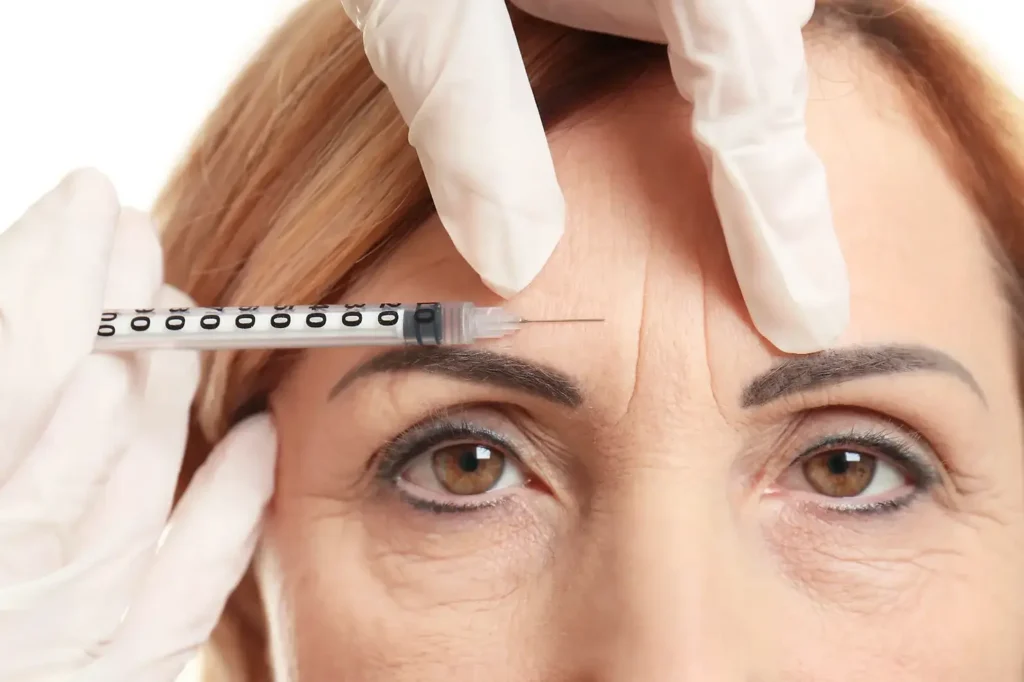
8. Lifestyle Can Influence Longevity
Every patient’s body metabolizes Botox differently. Although treatment technique plays an important role, certain lifestyle factors may also influence how long results remain visible.
These factors can include:
- Individual metabolism
- Physical activity levels
- Muscle strength
- Sun exposure
- Overall skin health
- Stress levels
For example, patients with naturally stronger facial muscles or faster metabolisms may notice movement returning sooner than others. Rather than comparing your results to someone else’s, focus on developing a maintenance plan that’s personalized to your own needs.
9. Combine Treatments for Comprehensive Results
Botox addresses dynamic wrinkles, but facial aging involves much more than muscle movement. Changes in collagen, skin quality, facial volume, and pigmentation can create concerns that Botox simply isn’t designed to treat.
For some patients, complementary treatments such as dermal fillers, microneedling, chemical peels, lasers, or medical-grade skincare may make sense. For others, the most appropriate recommendation may be to leave the area alone.
That distinction is important at The Sandbar Beauty Company. Treatment shouldn’t be added simply because another option is available. Each concern should first be evaluated to determine what is causing it and whether an aesthetic procedure is likely to provide a meaningful benefit.
This philosophy becomes especially important for patients who have already received filler or other injectable treatments. Persistent swelling, suspected migration, nodules, irregularities, or unexpected changes deserve evaluation before more product is placed. Ultrasound can help assess what is happening beneath the skin when appropriate and provide additional information for deciding what should happen next.
If the concern falls outside the appropriate scope of aesthetic treatment, referral to another specialist may be recommended instead. A comprehensive approach isn’t about doing more. Sometimes it means knowing when not to treat.
Thoughtful Care Comes First
Maintaining Botox results isn’t about treating every returning line the moment it appears. It starts with understanding your facial anatomy, previous treatments, goals, and whether another procedure would actually add value.
At The Sandbar Beauty Company in Pompano Beach, FL, patients receive an individualized approach supported by an experienced clinical team and advanced ultrasound technology when appropriate. Sometimes the next step is Botox. Other times, it may be waiting, evaluating a previous treatment more closely, or referring to another specialist. The priority is thoughtful care that puts the patient before the procedure.
Call us today to schedule your appointment!